InduBa
Merger BV
Industry Belgium 1032 kWh

Merger BV

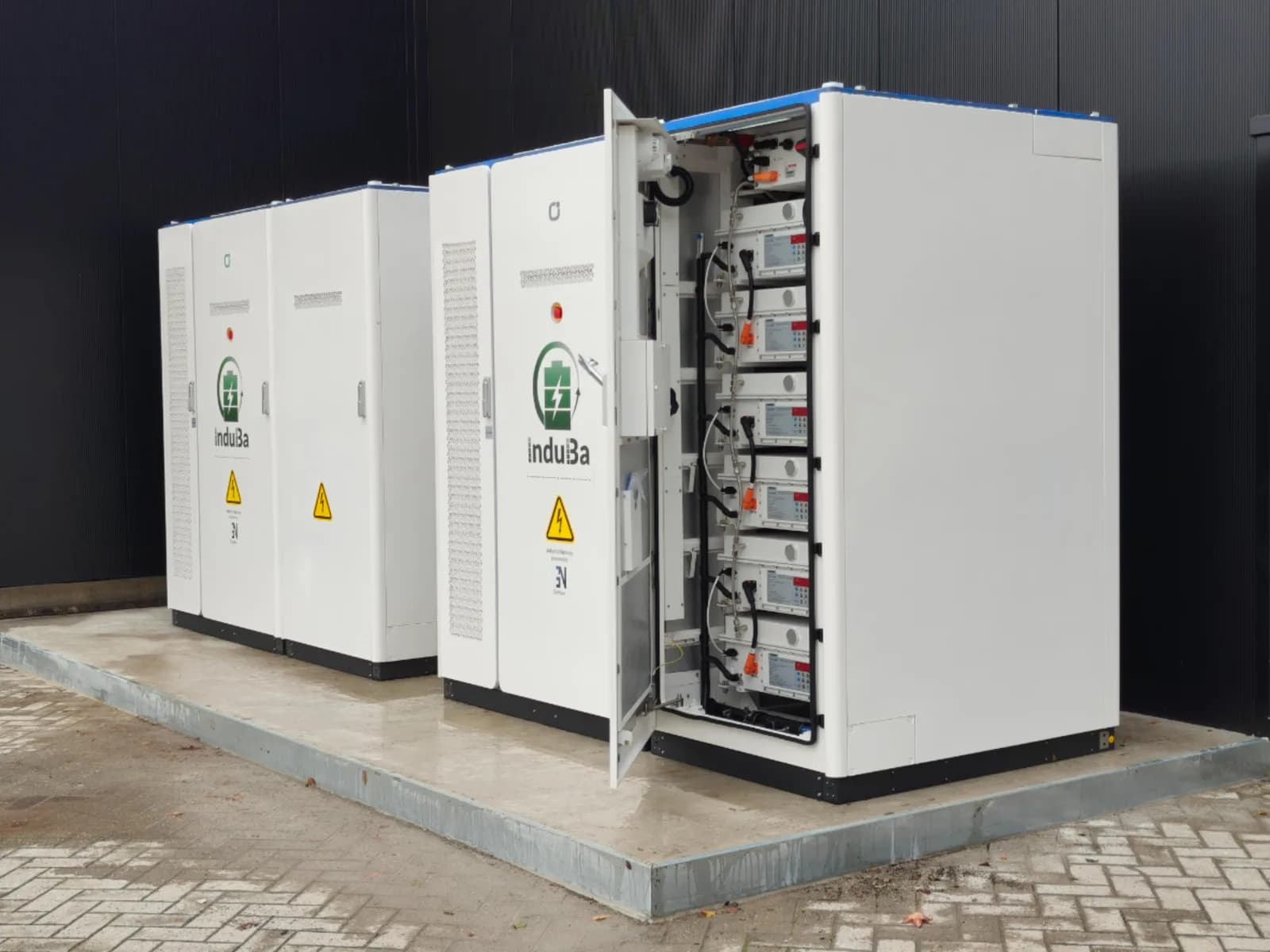
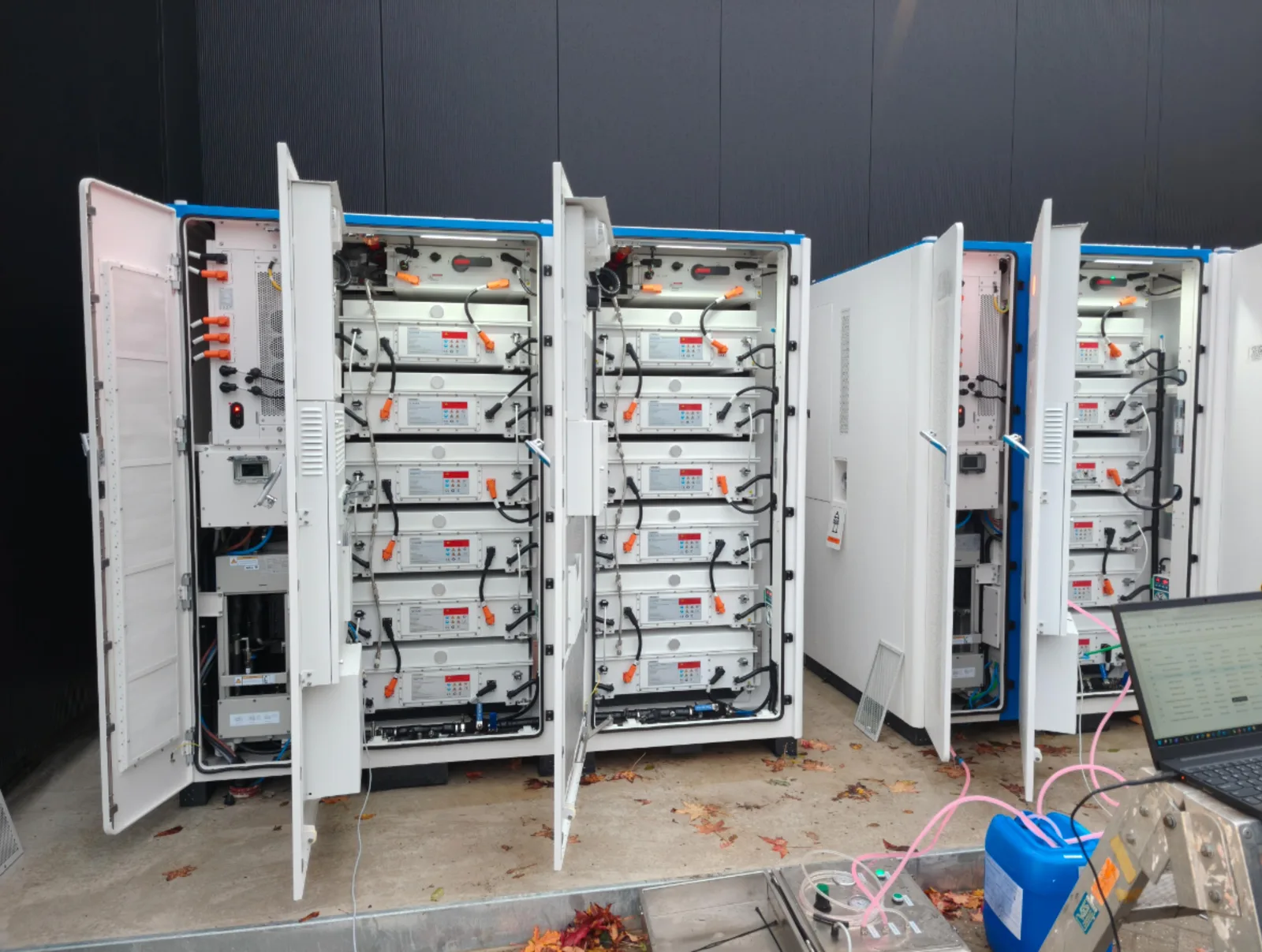
4x Sofar ESS-258KLC (258 kWh per unit)

1032 kWh

Battery capacity

85 kW

Peak target

EPEX 24/7

Automatic purchasing

Medium voltage (MV)

Aansluiting

The Challenge

Merger BV is an industrial company with a medium-voltage connection in Belgium. High peaks in electricity consumption. A substantial capacity tariff at Fluvius. EPEX day-ahead prices that fluctuate wildly, but remain untapped. And no real-time insight into energy flows. How much is production consuming now? When do peaks occur? What does each kWh truly cost?

The goal: reduce peaks, benefit from low EPEX prices, and gain full control over energy consumption, without anyone having to manage it daily.

The Solution

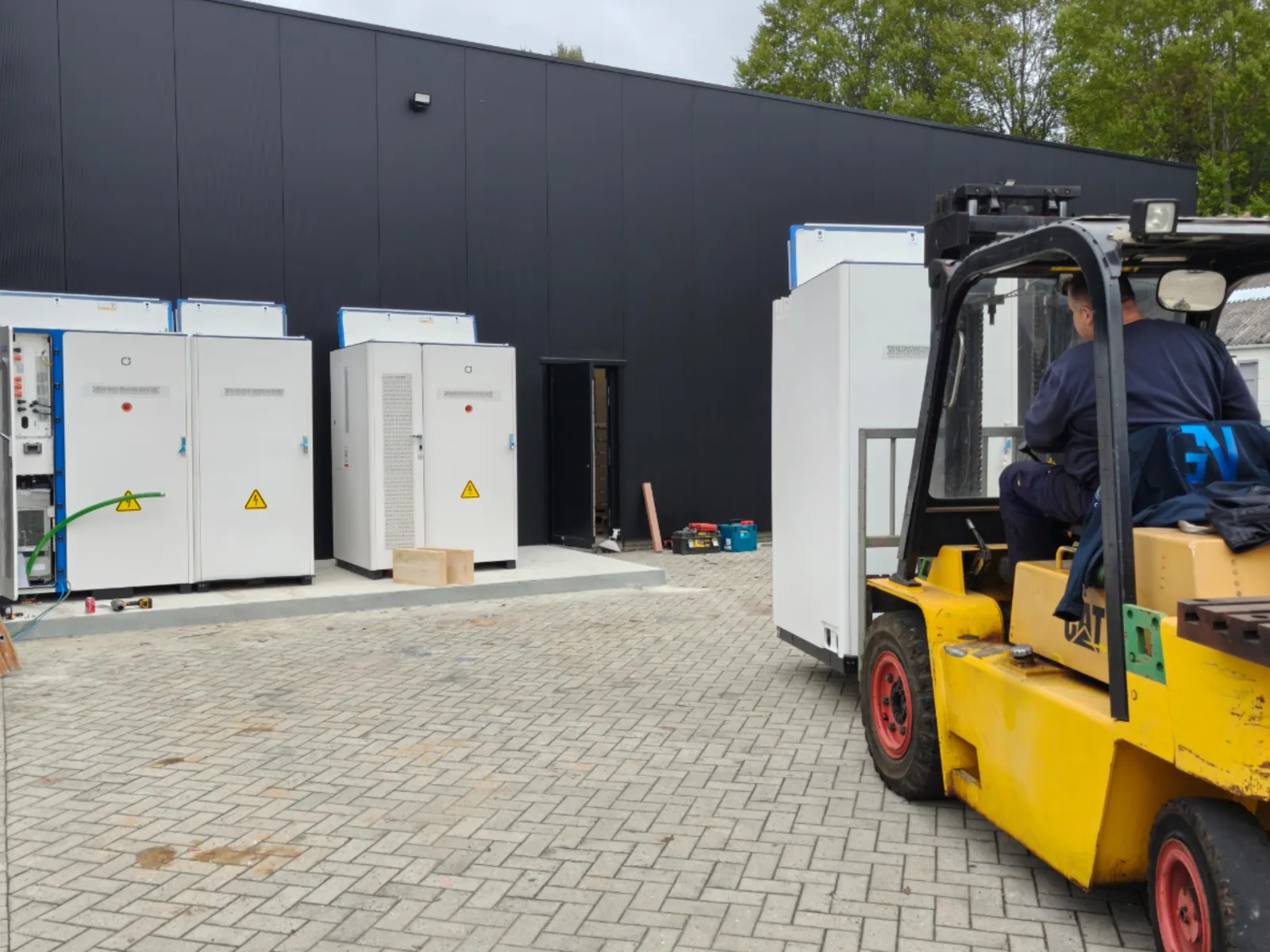
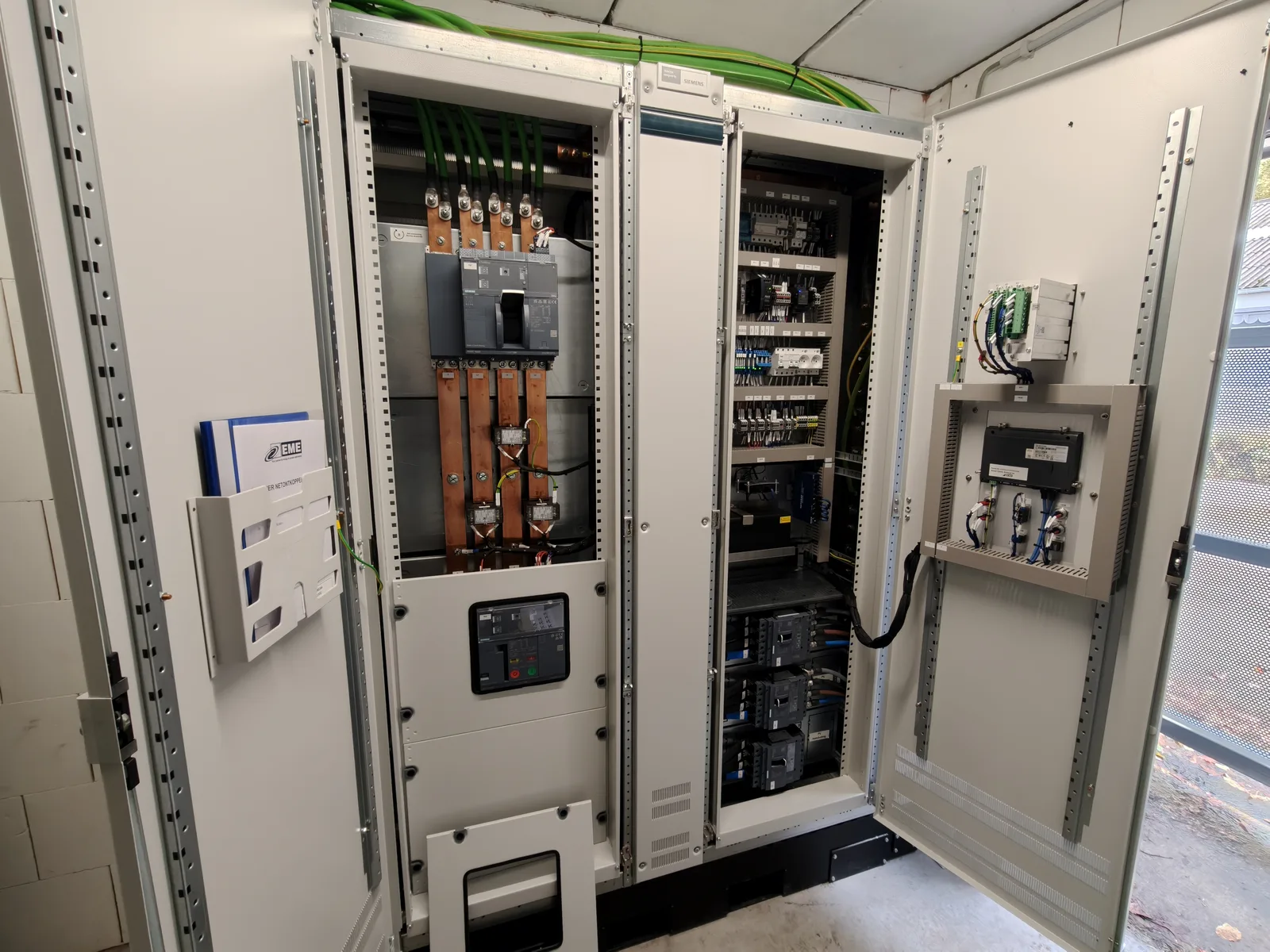
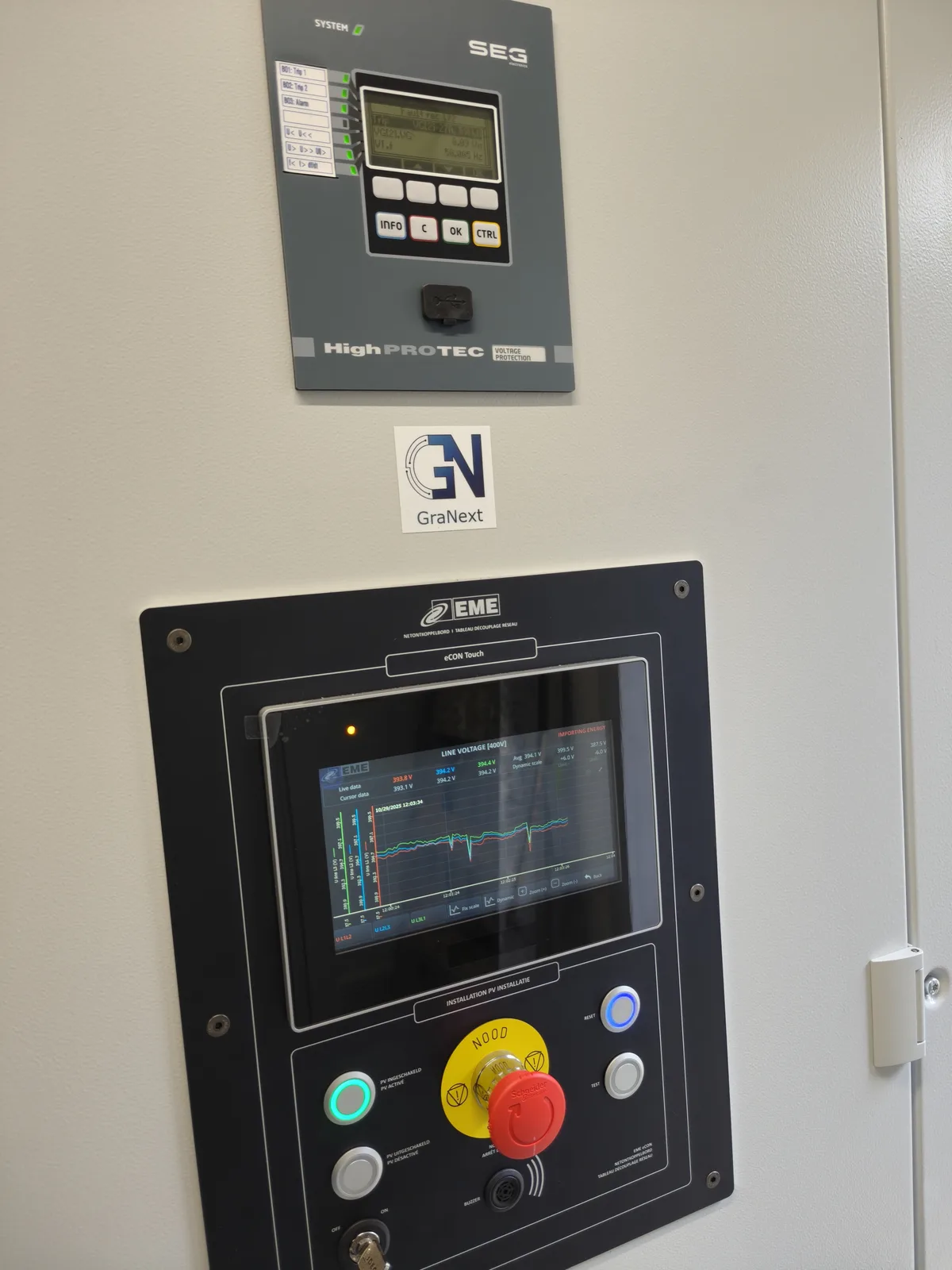
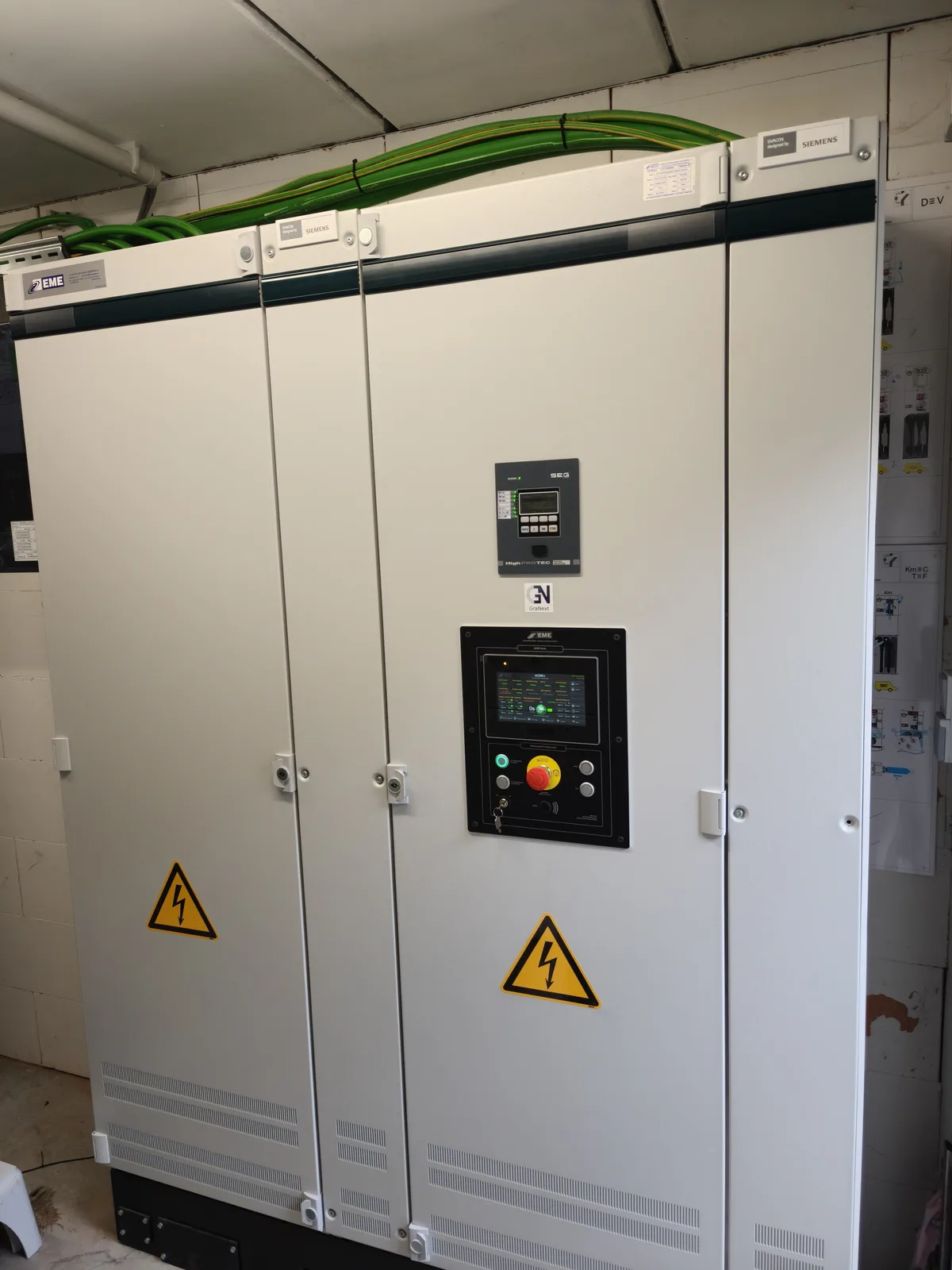
We installed a 1,032 kWh battery system: 4 Sofar ESS-258KLC units (258 kWh per unit). Control via a Sofar PowerMagic 250kW inverter in master/slave configuration, connected to the medium-voltage grid.

Our EMS controls the entire system via a 6-channel dispatch stack:

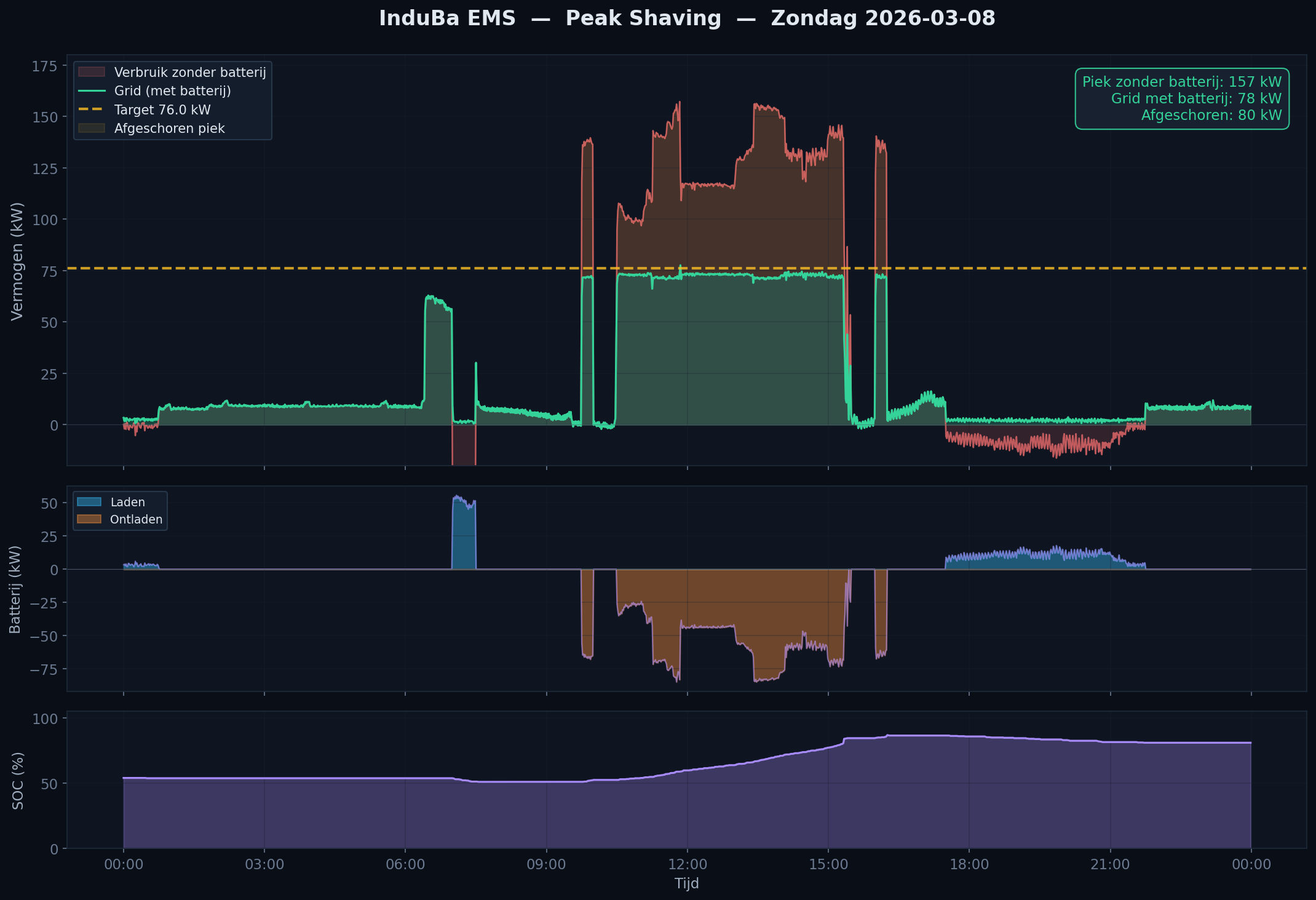
  • GridShield peak protection: target set at 85 kW. The EMS monitors grid consumption at 5-second intervals and discharges the battery as soon as power rises towards the target.
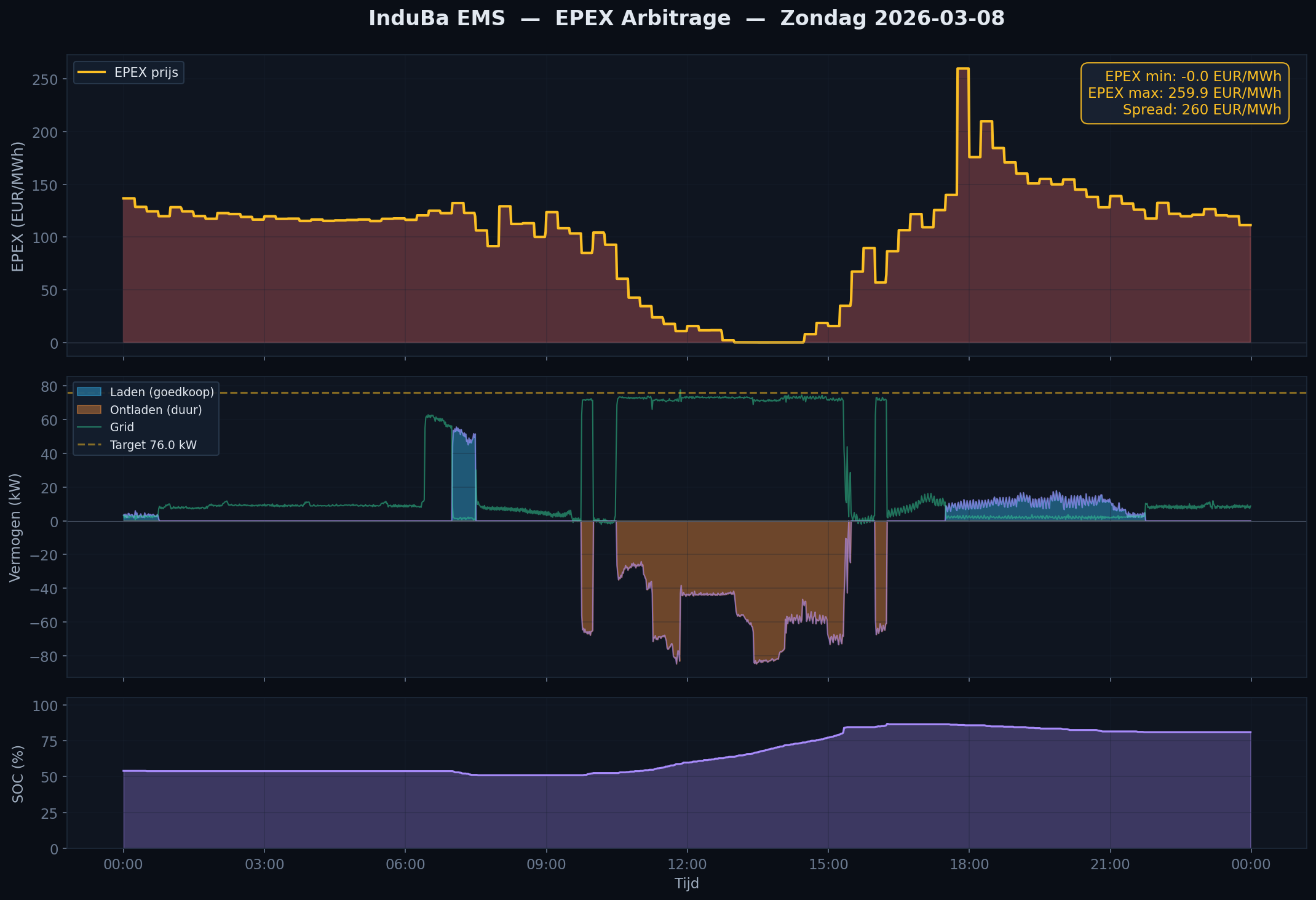
  • EPEX optimisation: automatic charging when the EPEX day-ahead price is low, discharging when prices are high. No manual intervention required.
  • Self-consumption maximisation: solar energy is consumed locally first, surplus goes into the battery.
  • Real-time monitoring: Merger BV has 24/7 visibility via the InduBa client portal.

Results

The results:

  • Peaks shaved from 170+ kW to target 85 kW via GridShield
  • Solar self-consumption maximised
  • Automatic EPEX day-ahead purchasing at the lowest prices
  • Lower monthly capacity tariff due to reduced peaks
  • Lower annual connection capacity with Fluvius
  • 24/7 automatic operation without manual intervention

How It Works

Our EMS monitors electricity consumption continuously via 5-second polling. Fully autonomous:

  1. Peak shaving: GridShield keeps grid consumption below the 85 kW target. As soon as power rises, the battery discharges the difference. The grid never sees the actual peak.
  2. Smart charging: the battery charges automatically when EPEX prices are low. The optimal charging moments are continuously calculated based on actual consumption and future prices. When prices turn negative, the battery charges fully. The electricity is then free.
  3. Smart discharging: during high consumption peaks or high EPEX prices, the system discharges to reduce costs.
  4. Monthly reporting: every month Merger BV receives an automatic report with savings, peak evaluation and system status.

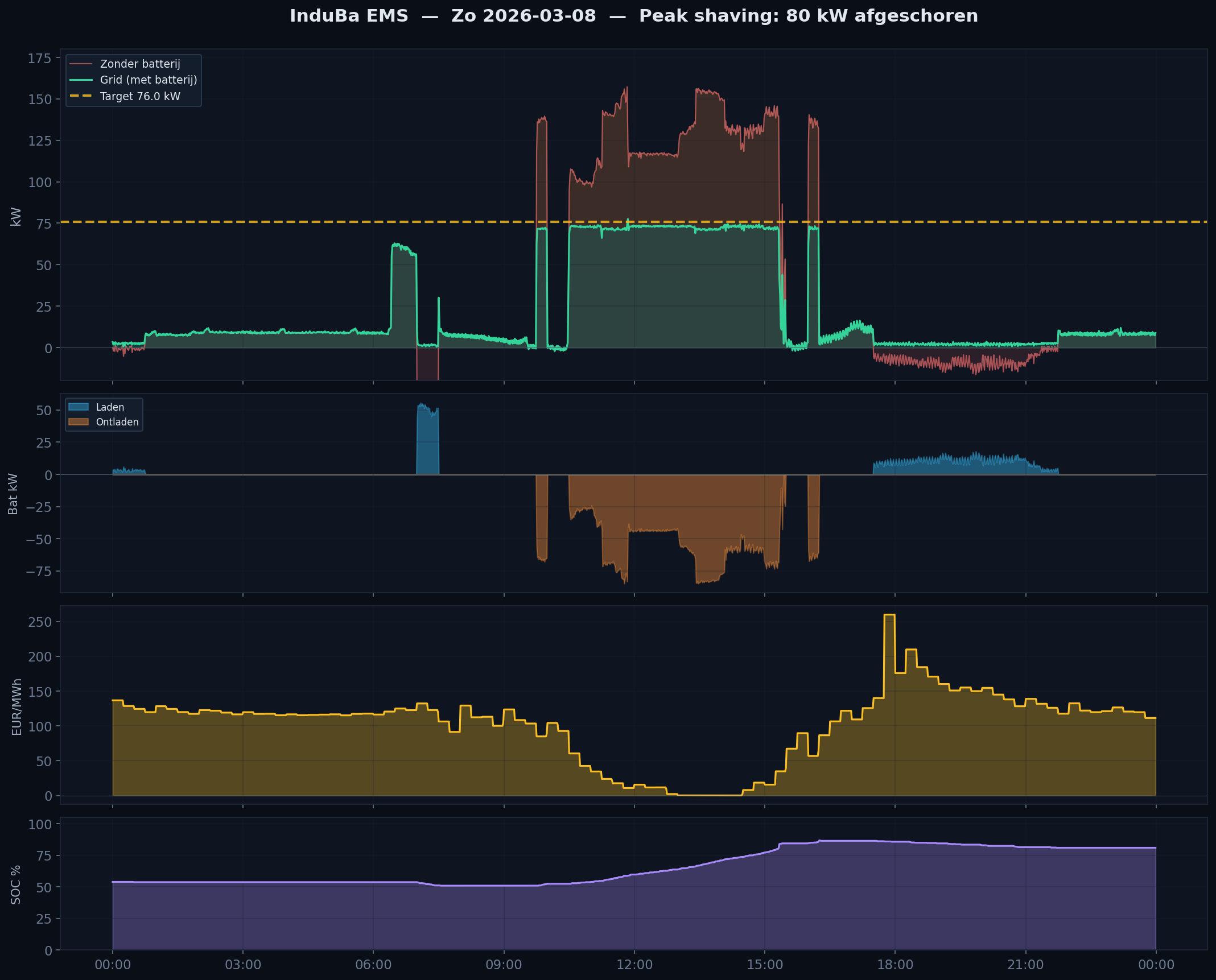
The screenshots below show the InduBa EMS in action at Merger BV:

InduBa EMS overview dashboard: real-time energy flows Merger BV

GridShield peak protection in action: peak shaved to 85 kW target

EPEX arbitrage: automatic charging at low price, discharging at high price

Tailor-made for this business

Every installation is different. At Merger BV, we saw two specific challenges.

Morning peaks from simultaneous charging. The business charges electric vehicles in the morning while industrial machines start up. This combination caused high grid peaks, precisely when the capacity tariff is determined. The InduBa EMS recognises this pattern and dispatches the battery to absorb this morning peak before it reaches the grid.

Solar surplus in the afternoon. On sunny days, the solar panels produce more than the business consumes. Without a battery, that surplus flows to the grid at a low feed-in tariff. The EMS stores this surplus and uses it later when production needs it.

Smart charging based on forecasting. The EMS learns the workday consumption pattern over the past months. Based on this, the system decides every night: charge or wait? If the next day is expected to be cloudy with little solar energy, the battery charges overnight at the lowest EPEX price. A sunny day expected? Then the system does not fully charge. Because why would you pay overnight transport costs for electricity that will come free from your own roof tomorrow?

That is the difference between a standard battery and an InduBa installation.
The same analysis for your business?

The same analysis for your business? Send your Fluvius quarter-hour data and latest energy invoice. We calculate within 48 hours whether a battery is profitable, free and without obligation. Even if the answer is no.